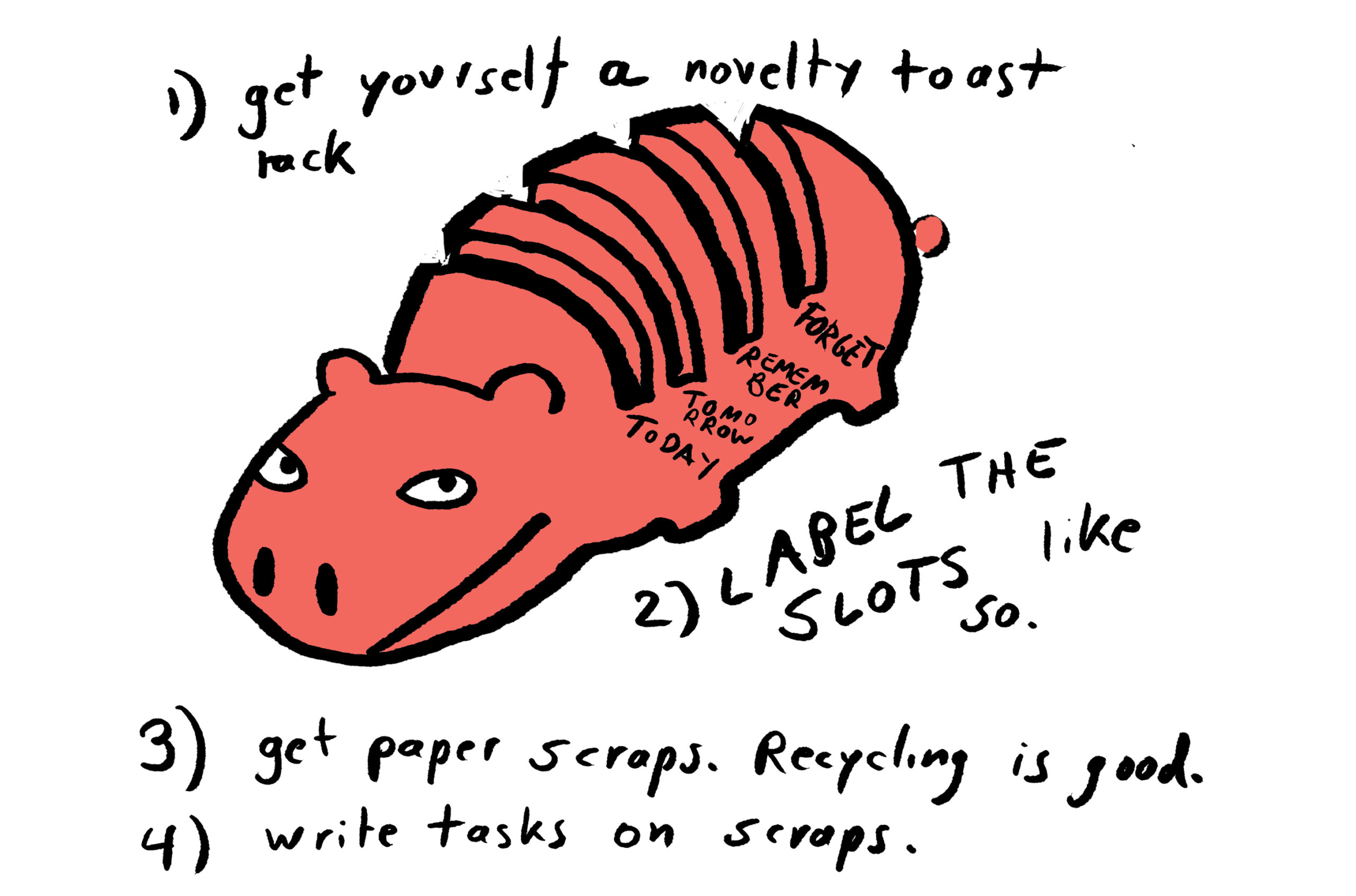
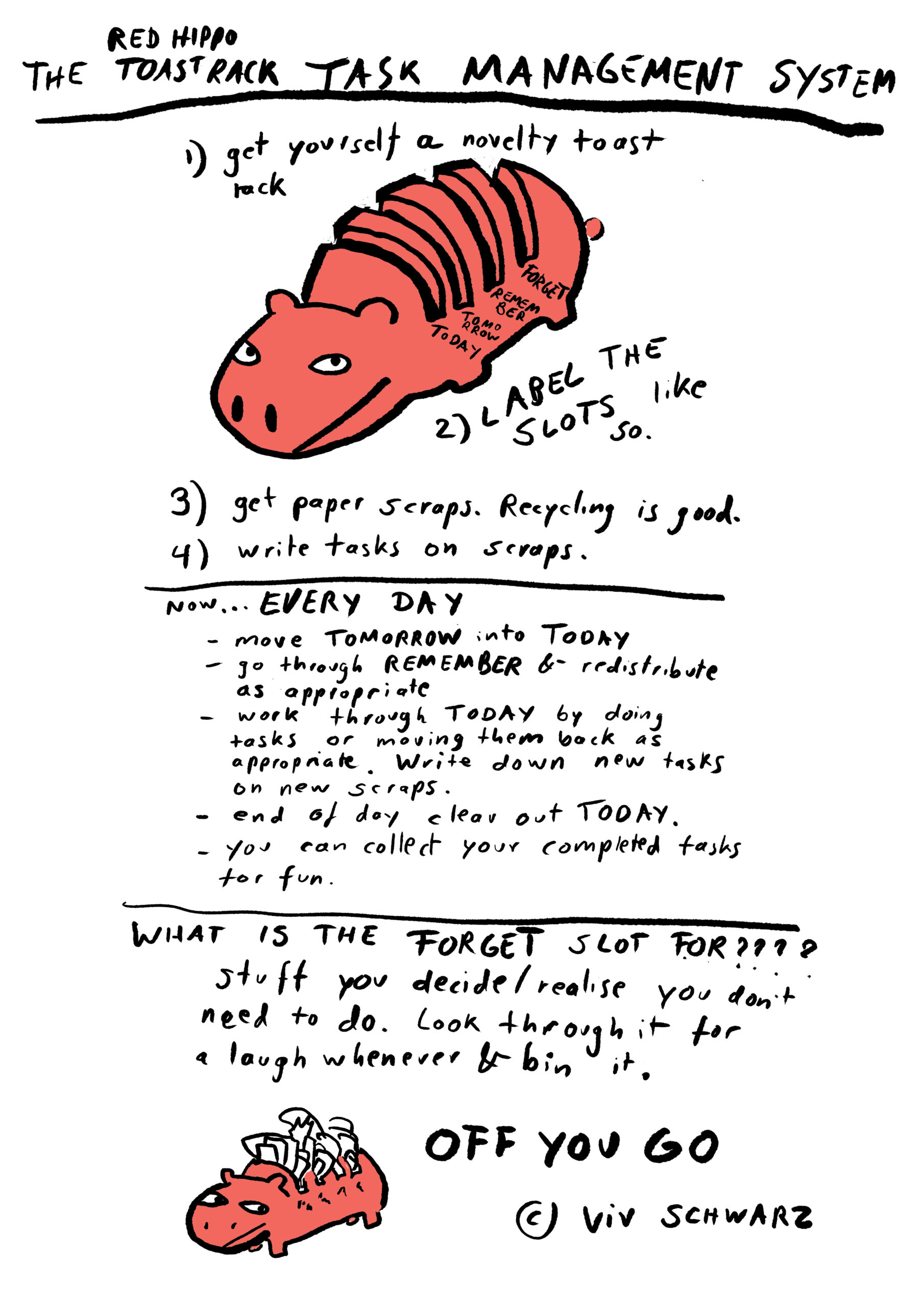
Here’s the fully analogue, organic intelligence task organiser I started using about 25 years ago.
To answer any possible remaining questions: I got the red hippo toast rack at a car boot sale. I would still be using it if the desk in my shoddy rented flat had not collapsed one day due to having no screws in at all, causing injury to my knee and destruction to the hippo. Some English people assumed I was unaware of the actual purpose of a toast rack but you can’t spend your life explaining yourself. – And yes, if your toast rack has more slots you can have one labelled SOON, or whatever.
Here are some children. Here is a basket of colourful pencils.
Art is about to happen.
The children know exactly what to do with this big basket of colourful pencils: dig with both hands. Dig right to the bottom.
The rattle of pencils is the ritual that has to come before the concentrated frowning and the murmured incantations: This is a lion. This is a lion. This is a lion. This is a tree. This is a tree. This is a tree.
Have you ever used one of those pencils?
Did you think: it’s a wonder what a child’s imagination can do, I can’t draw a THING with this?
No one can. We all tried. Some of us thought it was our fault and stopped trying.
Those are fake pencils.
The reason these children are digging through them with so much energy is because they are looking for one that works. They know to go for the shortest nubbins at the bottom of the box. Ignore the long ones, no one else got anything out of them.
They are foraging, with great determination.
Imagine what that determination could do.
When a child makes art, it’s not a case of playing pretend. It’s not like playing brain surgery with a spoon and a pudding. It’s not like feeding a plastic doll. They are not playing artist. THEY ARE ACTUALLY MAKING ART.
They use what they are given. They scratch faint lines, they rub puddles of chalky water across dissolving printer paper with splayed brushes. They powder fat snakes of glue with scales of confetti and glitter.
What would happen if someone gave you a bowl of confetti and some glue and told you to make art?
You might refuse. (I would.)
Children are generally good-natured enough to at least give it a try. But even the most loving guardian and the children themselves may look at the result and find it hard to see if, in fact, somehow, art has happened.
You stick it on the fridge, and you can tell what it is and everything… but is it art?
Well, it’s creative.
“Creative” often means “Wow, I’m glad I didn’t make that”.
Would you ever wish you’d made something that a child made?
Yeah… this is definitely very creative.
Maybe one day, if those children keep being creative and try very hard, some of them might even become artists…
But – who cares if they may be artists one day? What’s the point in telling them they may be artists one day if they work hard? What’s that got to do with anything? Is this whole confetti business some sort of test? Are we trying to trick them into law school or something?
It simply doesn’t matter what they will be one day.
Art is not just for artists. It’s for humans. It’s not a privilege. It’s a way to think with your hands (or your feet or your voice or your whole body, depending on the art, but we started with children and a basket of colour pencils, so pictures are trying to happen right now).
Art lets you have a good look at your thoughts, and show them to the world if you want.
You don’t need a license to make marks. You just need something that makes marks.
The joy of making pictures is more than an act of imagination. It’s physical. Your gestures made visible and permanent, the marks you make, belong to you alone, like your own body. They come before communication, before expression: they are the basis of all those things.
Give them things that leave marks. Try them out yourself. Are they enjoyable to use? Can you get a range of different marks out of them? Are they the marks you expected? Do they surprise you?
In short, do you feel like you are making something – or do you just feel like you are using something up?
Keep trying out materials. You’ll know them when you find them.
You don’t need to buy whole sets of expensive tubes of paint – or sets of anything, or anything expensive. You don’t need many different colours. Every good piece of art material unlocks endless possibilities. By good I mean anything that readily creates or receives a mark, which may include beetroot juice or a particularly well-charred stick, and the lovely white rounded cards that are used to package tights. Do professional artists paint with their breakfast tea sometimes? Of course they do, if it’s nice and strong!
Some good art materials command respect: you must wear clothes that you don’t mind staining, and you must handle them carefully. A bottle of red ink could spoil a whole carpet.
You may be surprised how much respect children can show for a powerful substance like that. Being careful for a good reason is fun, and using something that requires your supervision is exciting and memorable.
Those children like to see you deal with important substances, you know.
Art materials often need some care. Brushes need to be washed and stored carefully. Maybe the children have pets, or toys that they care about. Can they look after those? Then they can look after their tools, if you teach them.
You can give them a load of fake colourful toy paints that don’t make a mess because they don’t actually leave any traces at all – or you can let them make art.
A real brush costs no more than a pack of toy ones. A box of decent watercolours costs more than a pound shop set – get one with fewer colours. Find some bright colours that mix well, and you’ll suddenly have a whole range. Or pick just one single colour, but one that leaves a mark. Get to know that colour. Ask that colour what it can do, and you will be surprised.
By all means and of course: check if the paints are toxic. If they eat paint, they aren’t ready for paint that must not be eaten. But don’t underestimate them as they learn. If they can learn to deal with boiling water, and learn to deal with cleaning products, they can learn to deal with art materials. You’ll be there to help them with the messier ones, and find ones that are safe enough as long as the area is covered against smears and splashes.
You may well find that as soon as they are actually making marks that are meaningful to them, the children won’t be anywhere near as messy as you fear because they won’t have to make up in dramatic performance and make-believe for what the material denies them in actual experience.
They will WANT to make something beautiful rather than just have a play-time with colourful sticks that are better for throwing than drawing with.
Maybe you don’t have a budget for art materials. Don’t forget about all the good stuff you can just use for free. If you have a pair of scissors and some paper glue, anything colourful in your paper recycling may be a collage picture waiting to happen. A felt-tip pen and some scrap paper is better than that whole basket of useless crayons.
One last thing: Don’t just hand everything over to the children. Why should they have all the fun and education? Make some art together. And I mean: each make their own piece. If the materials work, you probably won’t need to help them to make it look good any more. Of course you can also collaborate on things, that’s part of the fun. But above all, respect each other’s art: you make your thing, they make theirs. You will find that you can teach one another a lot.
It’s amazing what a child’s imagination can do – but don’t let them imagine that they can’t make art.
Make those fake pencils into a tiny fence for a herd of amazing beasts painted with tea stains and thumb prints, pink highlighters and ink.
Art is about to happen.
Don’t miss out.
This is a repost of an article I wrote some years ago.
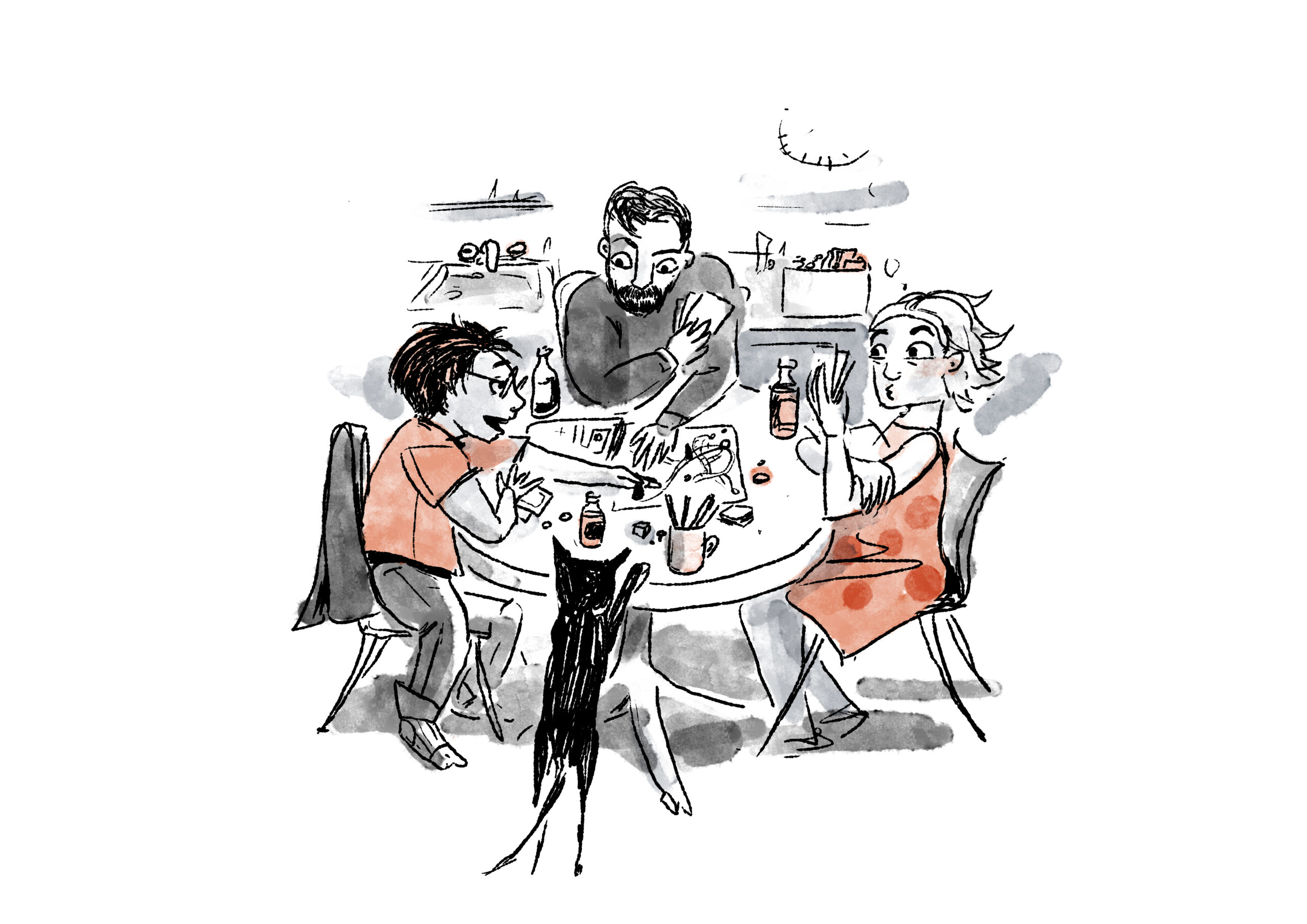
Once a year, I teach a project at uni where illustrations students learn the basics of having a game jam. They start by improvising a board game in groups, and some years we reskin a card game. Then they go on to develop their own games. It’s always great fun.
It’s very easy to take your first steps into making games with your friends. Making them by yourself is harder, simply because you can’t easily try out ideas – and that is the most important part. To make a game, you need to play with it at every stage.
If you’d like an easy project to start, I think one of the best things you can do is reskin an existing game.
Do you have a card game or board game that you really enjoy? Take it and make it yours. You’re allowed! You are not allowed to publish or sell your version, obviously, but you absolutely can make your own version that you play with your friends. I’ve met many people who have memories of such games that their parents made for them when they were kids, personalised little works of art and care and fun that tell their own story.
To reskin a game, first you need to understand that game well enough – you’ve played it, you know how it feels. What is the current there? How is that theme reflected in the gameplay, in the way the game feels? Now change that theme, and see what happens.
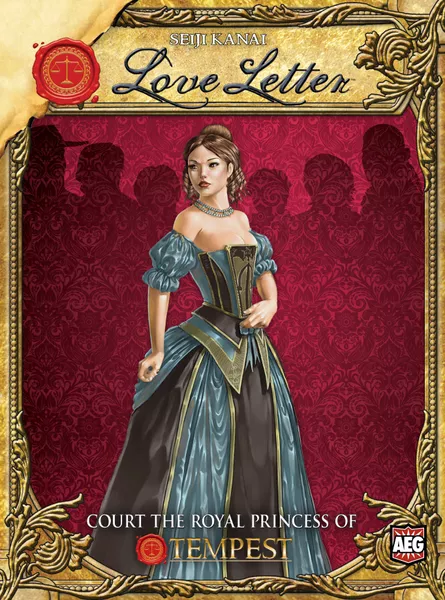
Love Letter. A modern classic by Seiji Kanai
A good starting point is Love Letter – a relatively inexpensive card game, if you don’t own a copy you can easily get one. Every card in it represents a character, and every card has a particular effect that reflects the personality and social status of that character. If you spend a bit of time analysing that, you can easily come up with your own versions (and many people have – you can search for official and inofficial versions). – In the original game, the characters are all members of a court, trying to get to the Princess with great urgency. In game design workshops I’ve seen this game reskinned in amazing ways by students. One version was set on a bus, with the characters being passengers trying to get the last free seat. One was set in a cafe, with only one perfect cake being the great price. Others made it all about their friends, or the university staff. Every game felt unique!
After making up our new versions, we went right on inventing and adding new cards – cards that had effects that suited the theme (a busy kitchen? Add cards that make players shout or have to react quickly!) and characters that suited the setting (how about a restaurant critic?)
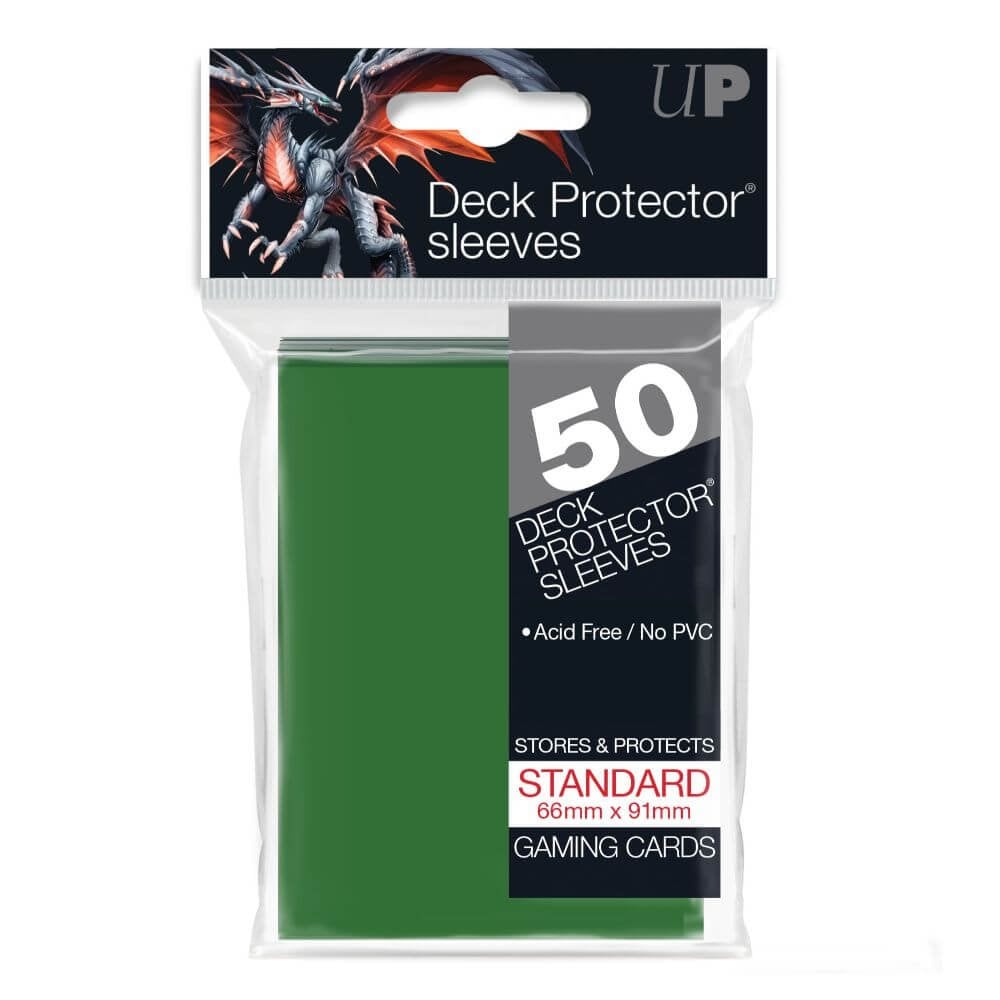
All you need to do this is a copy of the original game, pens and paper. A pack of card sleeves is a really good idea, too – they make it easy to quickly and roughly create cards that all look the same from the back.
Plastic card protectors with an opaque back – you can get them in different colours and sizes. They are a great tool for making prototypes. Your local boardgame cafe may have some in stock – and you can do some research while you go look for them…
Reskinning a game like that is an excellent exercise to introduce yourself to some of the concepts that you need to consider when making your own game – how rules and theme hang together, and how little changes can make a big difference in how a game feels and plays.
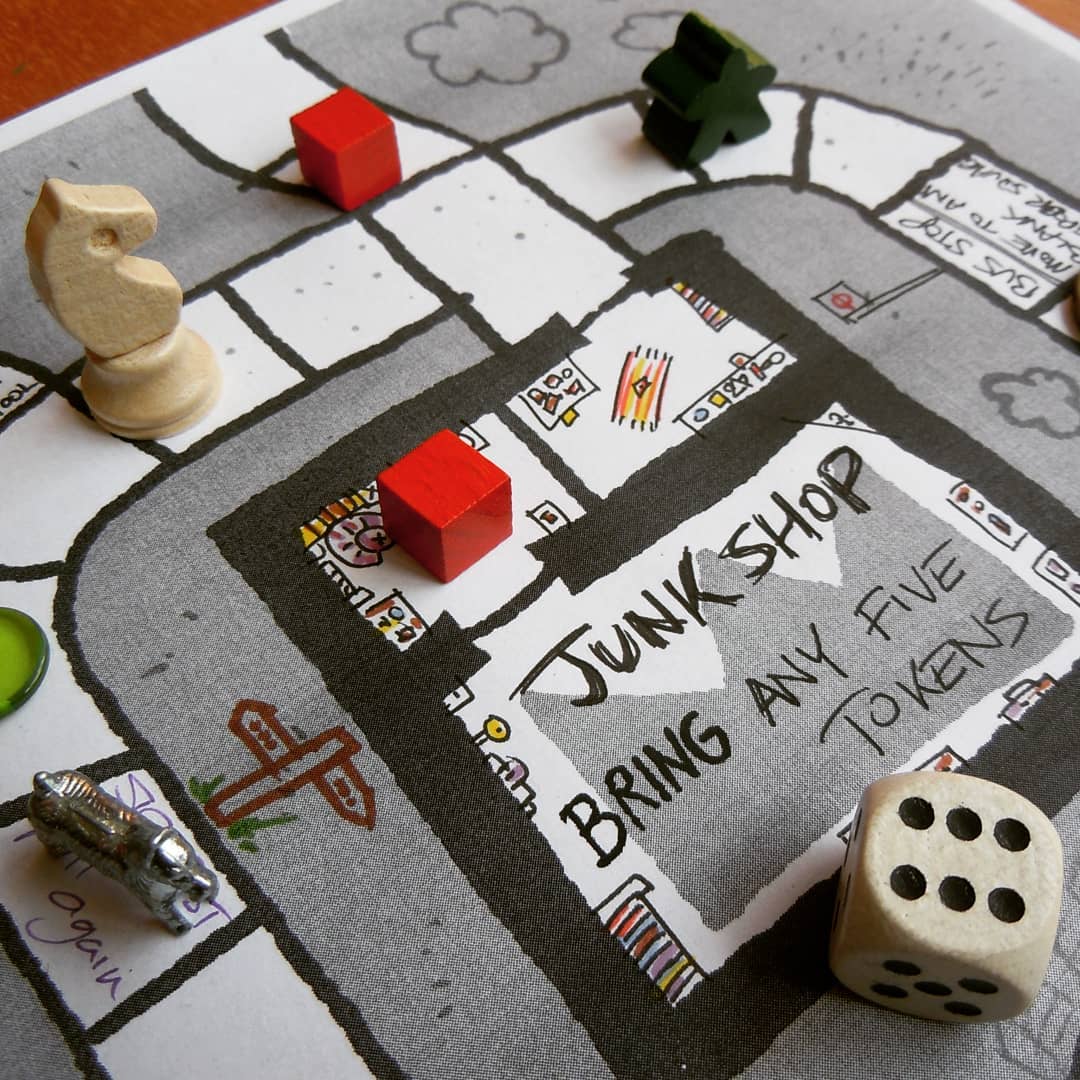
If you’d like to quickly make a board game about anything you like, you could try snaddering.
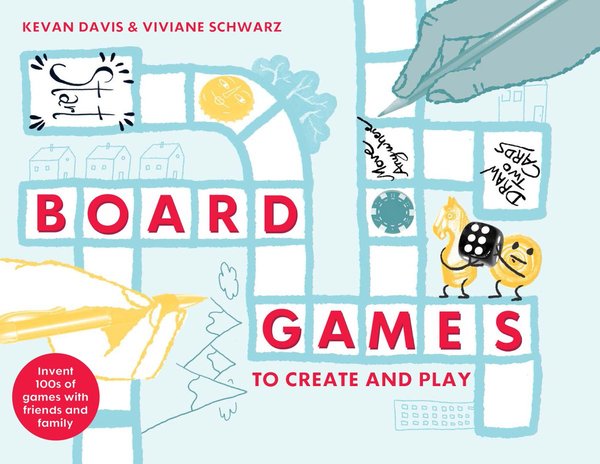
Snaddering is a technique that my friend and frequent collaborator Kevan Davis and I invented years ago, and used a lot ourselves. It is a chaotic but effective collaborative brainstorming session that results in a playable game after about half an hour. It won’t always be a game that you want to play over and over, but it will be yours, and it will be fun. The main concept is that you start with a branching roll-and-move track, choose a theme and a few starter rules, and then throw lots of ideas at it which are written, doodled, scribbled straight onto the board by everyone at the same time. At some point, it will be ready to play right away, and you can see how your ideas interact and play out between you.
The system allows beginners and experienced players/designers to create and play together – in fact, it tends to work even better when the group is varied in their interests, in age, in every conceivable way because their ideas will interact in surprising ways.
Quite often, in snaddering you may discover new game mechanics that you can take and develop independently – things that have nothing to do with the roll-and-move simplicity you started out with.
In any case, it is an excellent warm-up, and an exercise in creating a playable prototype as a team. It will show you how scrappiness and playfulness are importent assets, and how it’s much better to try out ideas than discuss them at length and try to imagine what they might do.
No one is the boss, if you make up a game together, it is everyone’s game.
If one of you has an idea of what you want the game to be, save that for later. Instead, allow your group to decide what you want to make, together.
Don’t discuss what you might as well try out instead.
Anyone is allowed to say “no” to any interaction without having to explain why – everyone is allowed to stop playing at any point as well.
Be ready to lose parts of the game as well as making up new ones. It’s useful to sometimes imagine all the things you could add to your game, but also always consider what you could remove.
Make things scrappily, fast, make them together in the quickest way you can to try them out. Save the beautiful drawings and all that for when you have tested the game enough and know it works.
Test, and test, and test your game, test every bit of it, test it with other people and watch how they do.
If your game is really not working, look at all the interactions that happen in it and see if any of them are really good – maybe they could be the basis for a new game.